Trump Proposes Energy Dividend Mandate for AI Data Centers
The administration seeks to mitigate local opposition to hyperscale computing facilities by requiring builders to return excess power and financial benefits to nearby residents.
By Natalia Campos ·
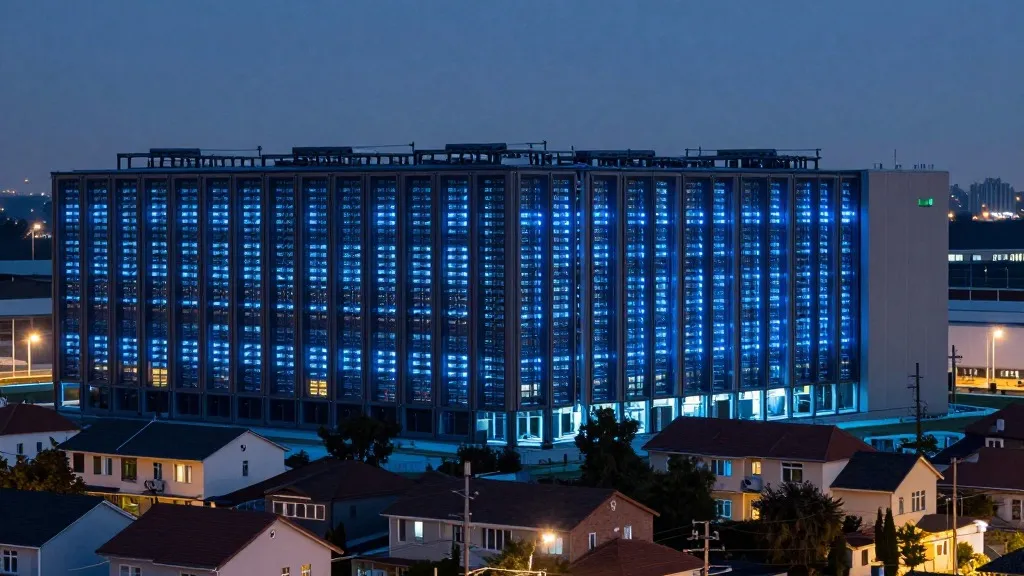
Tensions between rapidly expanding artificial intelligence infrastructure and local communities have prompted the White House to propose a new financial framework requiring data center operators to share energy benefits with nearby residents. President Donald Trump outlined the initiative on Truth Social, signaling that hyperscale operators will soon face mandates designed to offset the burden they place on local utility grids.
The proposal targets a specific pain point in the relationship between AI developers and the towns hosting their facilities. As data centers consume massive amounts of electricity, local residents have frequently reported rising energy bills, prompting public backlash against these projects. By compelling operators to distribute a portion of their power generation back to the community, the administration aims to transform these facilities from sources of conflict into partners in local economic stability.
Trump’s directive builds on previous administration orders that required data center builders to generate their own electricity rather than relying solely on existing municipal grids. Under the new plan, any surplus power produced by these self-sufficient facilities must either be gifted to or sold back to local residents. This mechanism is intended to directly lower electricity costs for households in the vicinity, potentially reversing price hikes that have fueled recent protests.
The move is also linked to a recently passed act that obligates data center developers to fund necessary grid upgrades. By shouldering these infrastructure costs, the industry would avoid passing expenses onto local taxpayers, a primary grievance among community members. The administration views this financial redistribution as a critical tool for maintaining momentum in the global AI race, particularly in its competition with China, while securing local political support.
In his post, the President argued that data centers, which have often faced significant local resistance, become far more acceptable once a financial agreement is reached. He urged industry leaders to “MAKE DEALS, and get them built!!!” emphasizing that economic incentives could smooth the path for new construction. The administration hopes that by providing tangible financial relief, the sector can overcome the hurdle of community acceptance.
However, the proposal addresses only one dimension of the broader controversy. While financial dividends may ease the burden of rising electricity rates, they do not resolve other significant concerns raised by residents. Issues such as high water consumption, air and noise pollution, and ecological impact remain prominent obstacles. Observers note that while the energy dividend offers a clear economic benefit, it may not be sufficient to fully neutralize the environmental and logistical challenges that have made AI data centers a difficult sell in many regions.
Source: Tom's Hardware